
06
aug
aug
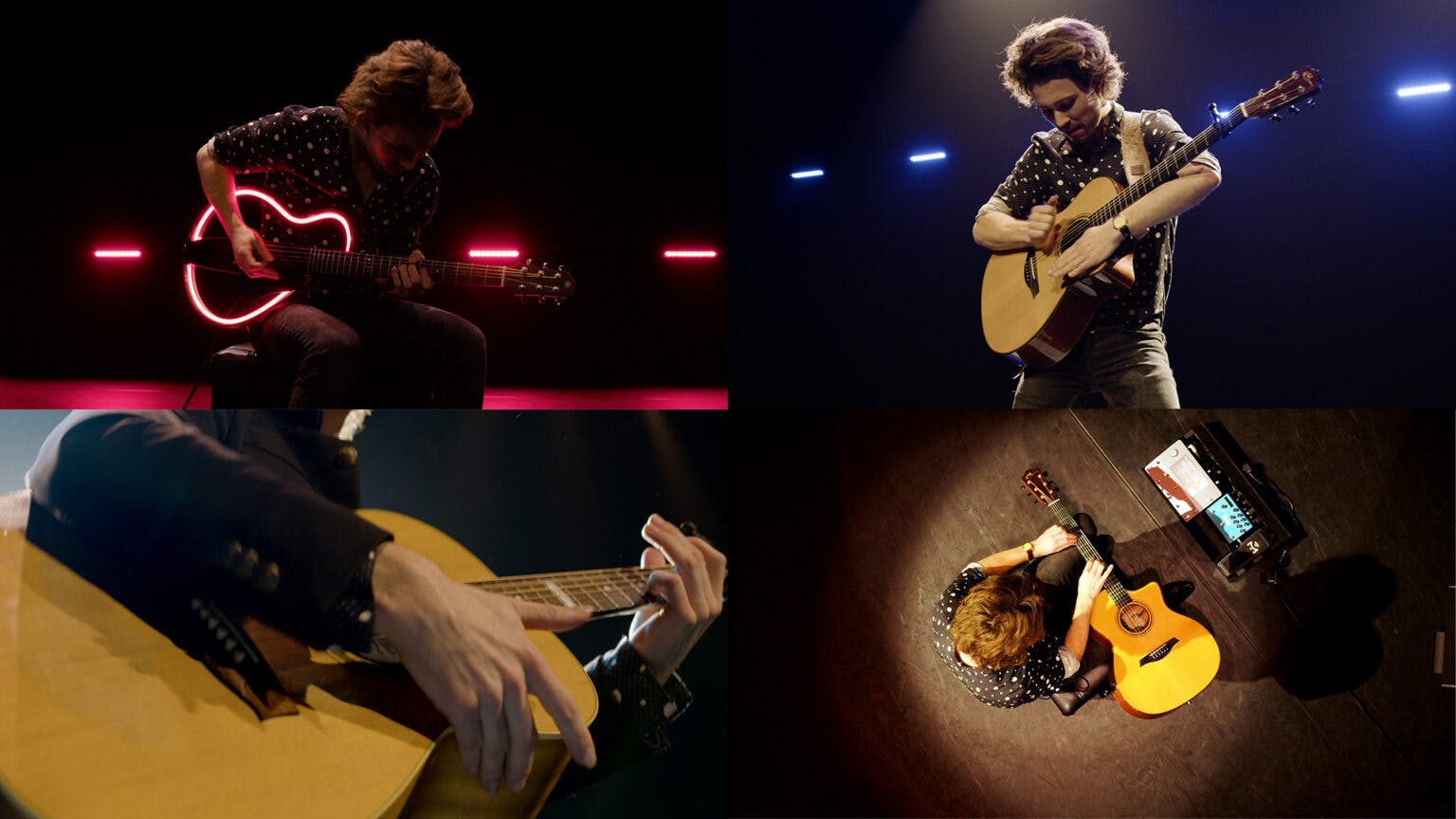
Summer Evening Concerts 2026: Mart Hillen – The Big Six
View this activity
On this page you will find the answers of the scavenger hunt: animals in the city center.
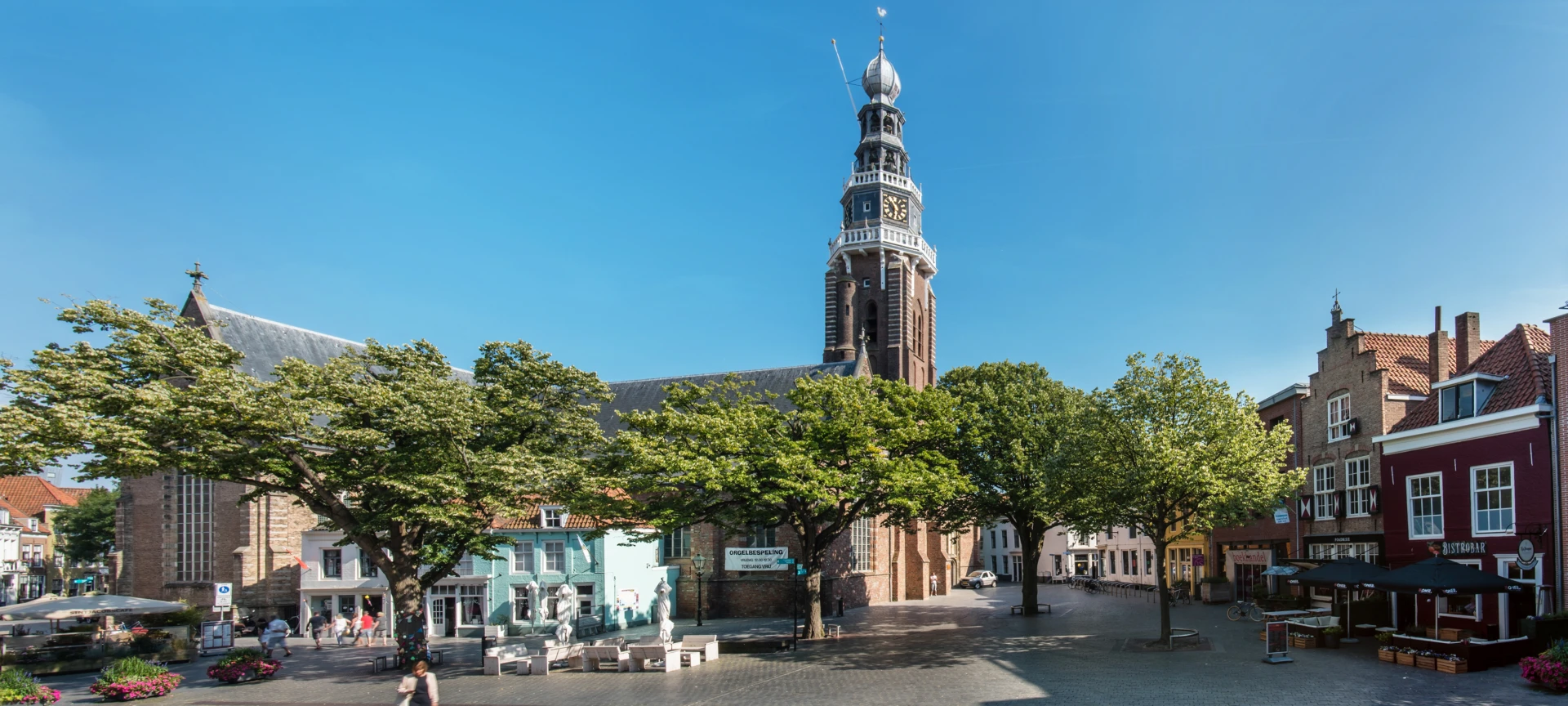
There are at least 2 birds to be found. A golden (church) rooster, right at the top of the tower, and there is a bird in the wooden artwork in the garden behind the church.
Pilgrims are religious or spiritual people who walk long distances, passing places with a special meaning. The scallop shell has a special meaning for the pilgrimage route to Santiago de Compostela in Spain (more than 2,000 kilometers from Vlissingen). It is the symbol of Saint James, an apostle of Jesus. In the past, pilgrims wore the shell on their clothing. They received it when they had visited a place on the pilgrimage route, such as a church. St. James's Church is still a place where pilgrims pass by. Nowadays, they receive a stamp.
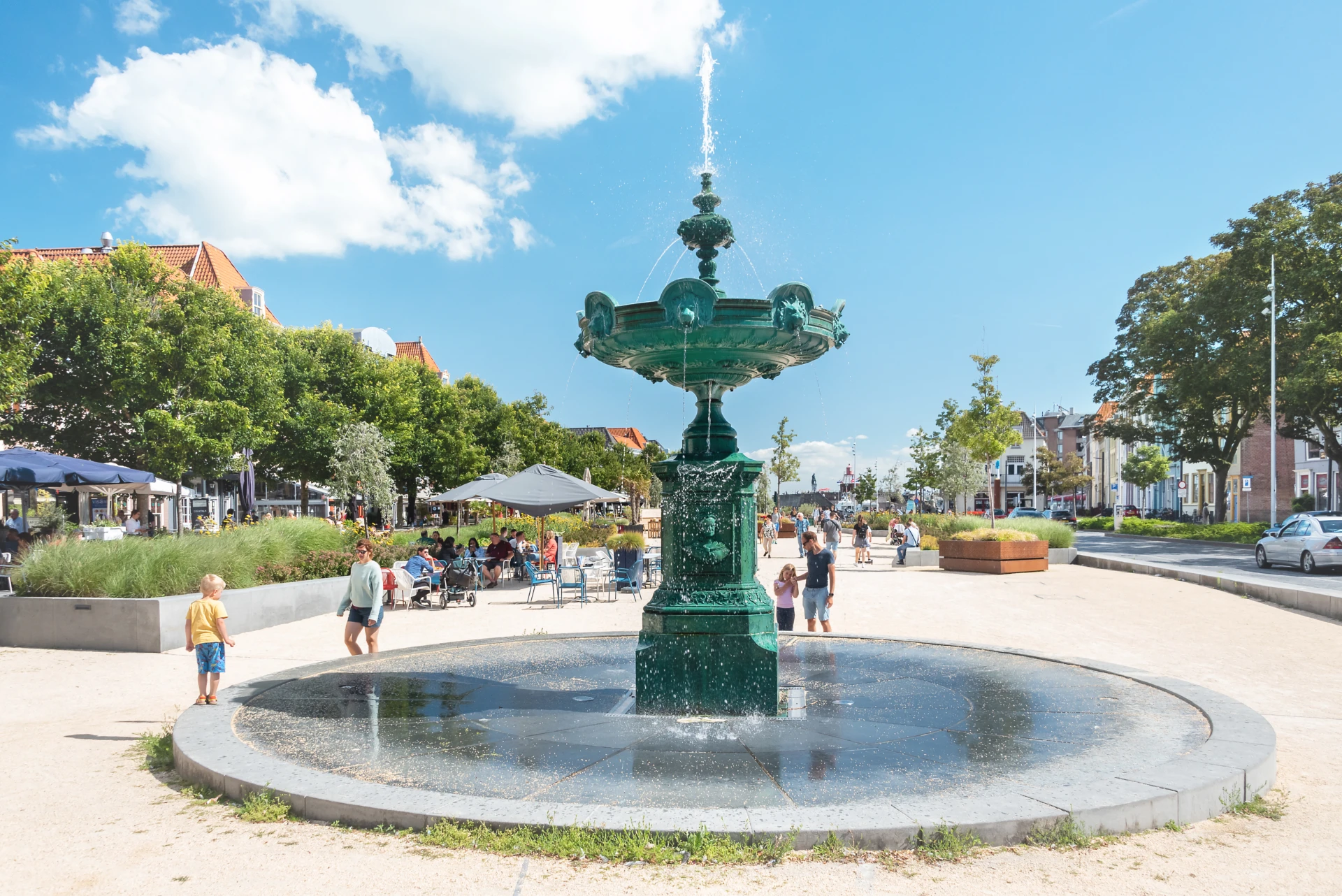
The fountain has 12 lion heads.
The animal in the author's name is a wolf (Betje Wolff).
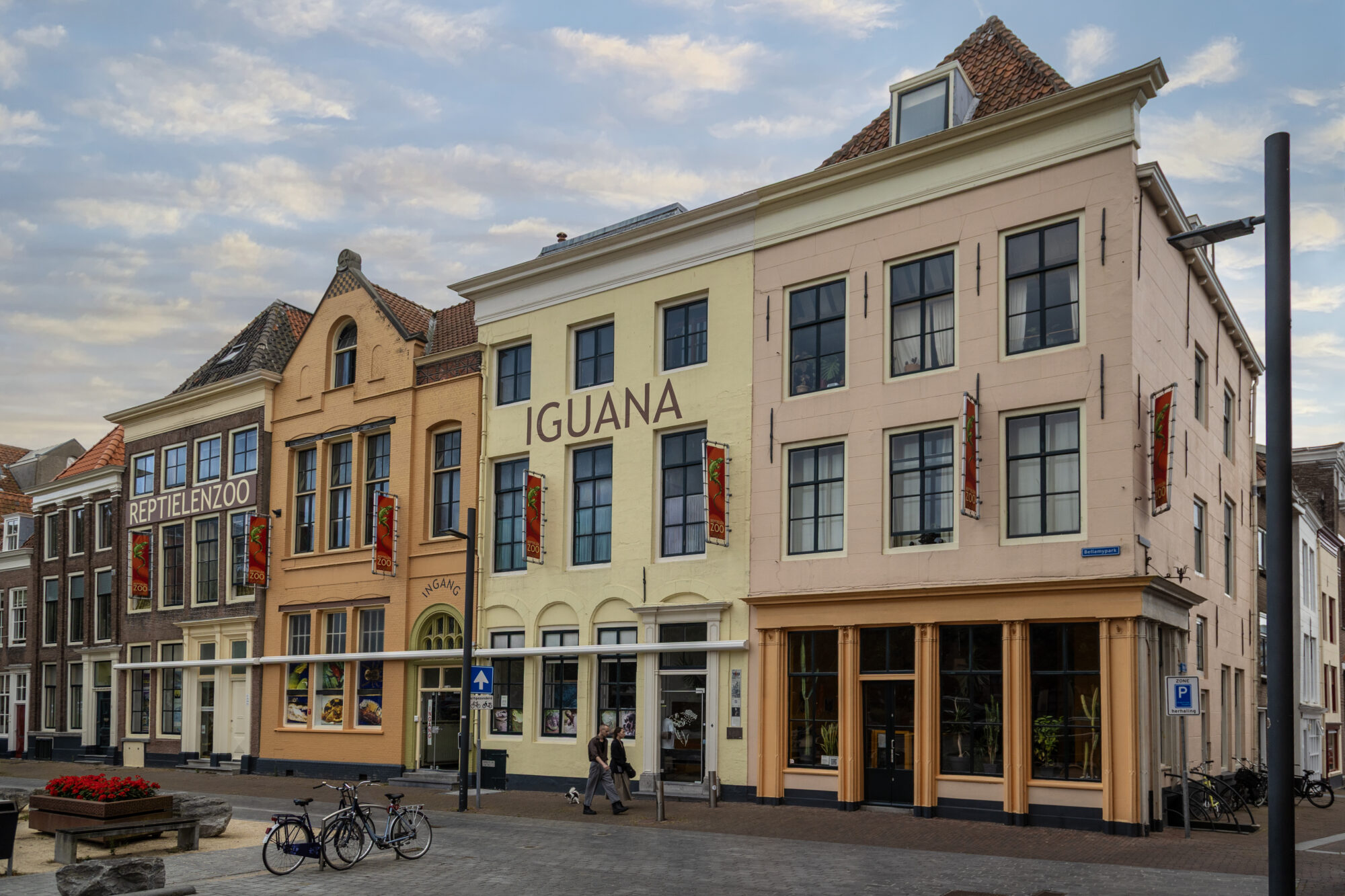
You could see a snake through the glass.
You can see the following animals on the facades:
The depicted animals are a lamb and a unicorn.
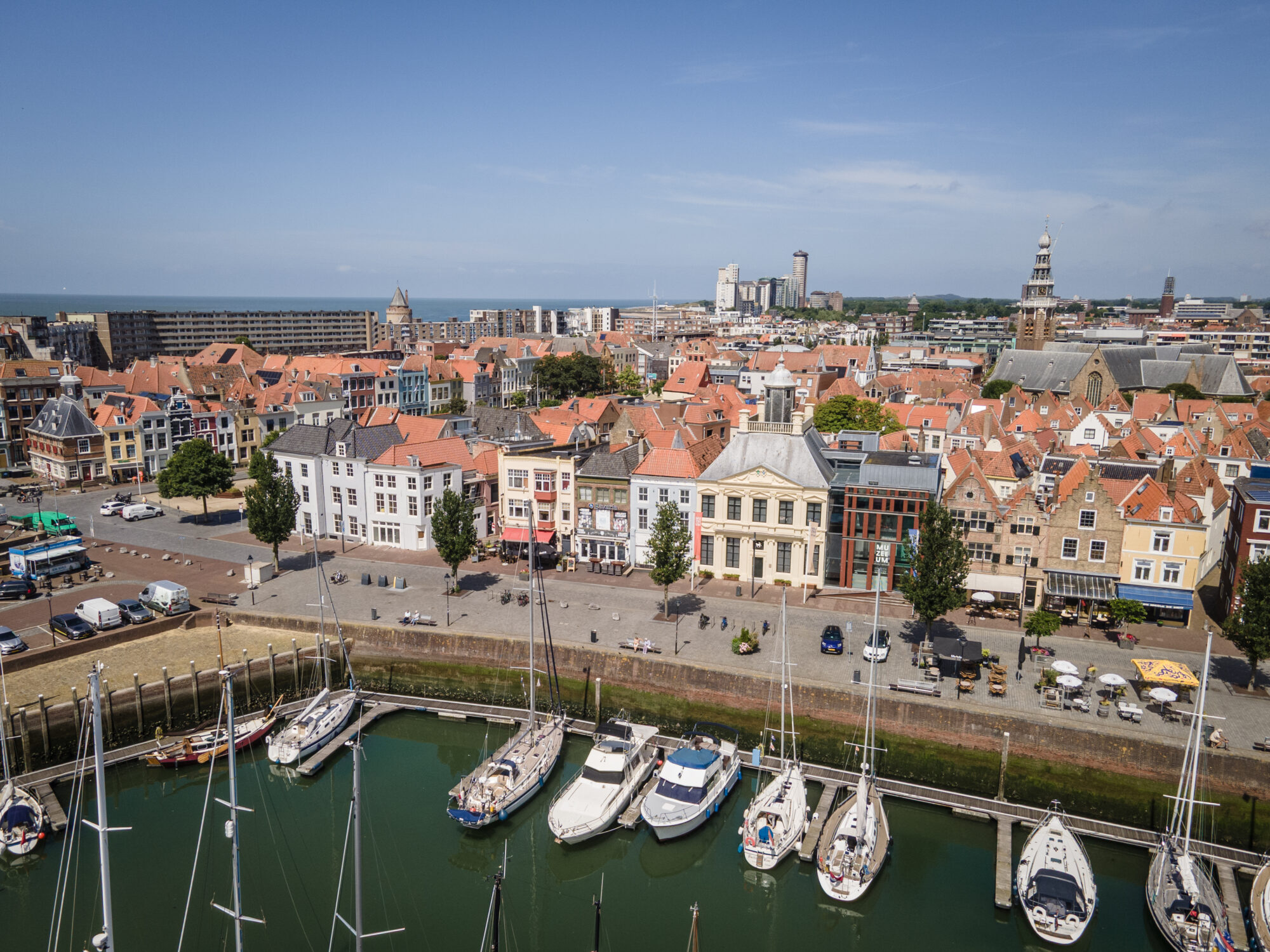
This house is also known as the Lampsins House. The coat of arms of this family features a lamb. Michiel de Ruyter worked for this family. This family was active in trade and was involved in, among other things, the WIC and VOC. In the Maritime MuZEEum you can learn more about this history.
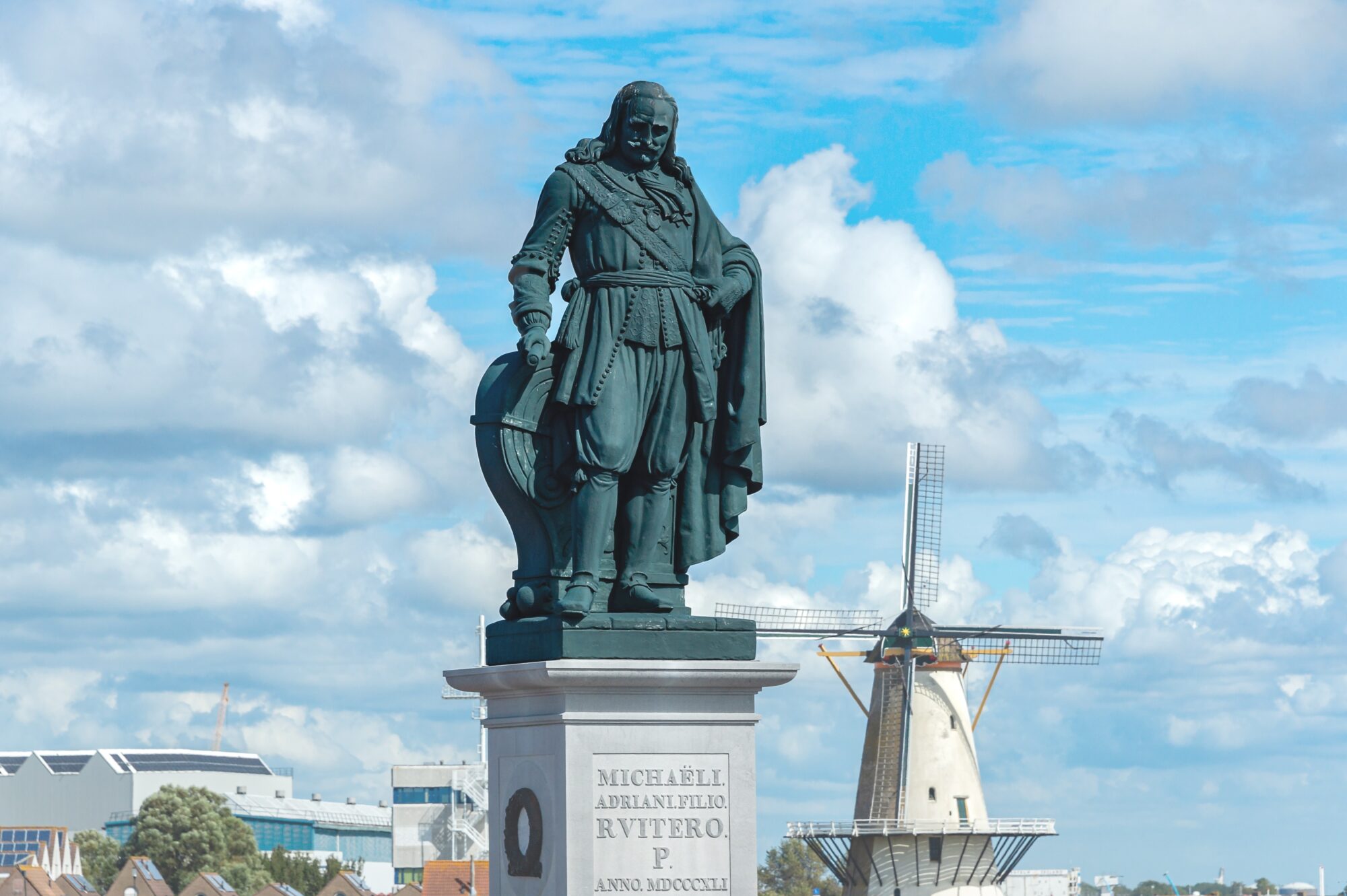
There are multiple stories about the “little animal” under his cape. Many residents of Vlissingen called it a little dog. Others think it is a little lamb (referring to the Lampsins family, for whom Michiel de Ruyter worked). Some think it is not an animal at all, but a roll of paper and a joke by the sculptor. Another explanation is that it is a sort of lion's head, functioning as the hilt of a sword.
Behind Michiel's leg stands a peculiar creature: a horse with the lower body of a fish. In mythology, this is called a hippocampus. This creature is associated with the sea god Poseidon.